Understanding and relieving lumbago: causes, tips and massage as a treatment option
Lumbago – the name alone sounds as if an invisible witch had shot an arrow into your back. And sometimes it feels the same: sudden, stabbing and painful. In fact, the term comes from a time when sudden, inexplicable pain was often attributed to supernatural powers. The stabbing pain in your lower back feels exactly like a witch's “magic shot” had hit you. What sounds like a magical curse is actually one of the most common back problems of all, medically known as lumbago. But there is no reason to panic: with the right measures, the pain can be specifically...


Lumbago – the name alone sounds as if an invisible witch had shot an arrow into your back. And sometimes it feels the same: sudden, stabbing and painful. In fact, the term comes from a time when sudden, inexplicable pain was often attributed to supernatural powers. The stabbing pain in your lower back feels exactly like a witch's “magic shot” had hit you. What sounds like a magical curse is actually one of the most common back problems of all, medically known as lumbago.
But there is no reason to panic: with the right measures, the pain can be specifically alleviated - and even prevented. In this article we address the following questions: What is lumbago? What are the causes behind it? What tips are there for acute lumbago treatment? How can massages and massage chairs help with lumbago? And how can you protect your back sustainably and prevent lumbago?
Our reading tip: Not just for lumbago: Find out more about the effects of massages in our article “From head to toe – massages can help here“.
Important: This post is for informational purposes only and does not replace medical advice. If you have any symptoms or suspect lumbago, please contact a medical professional.
More sudden Pain: What is lumbago?
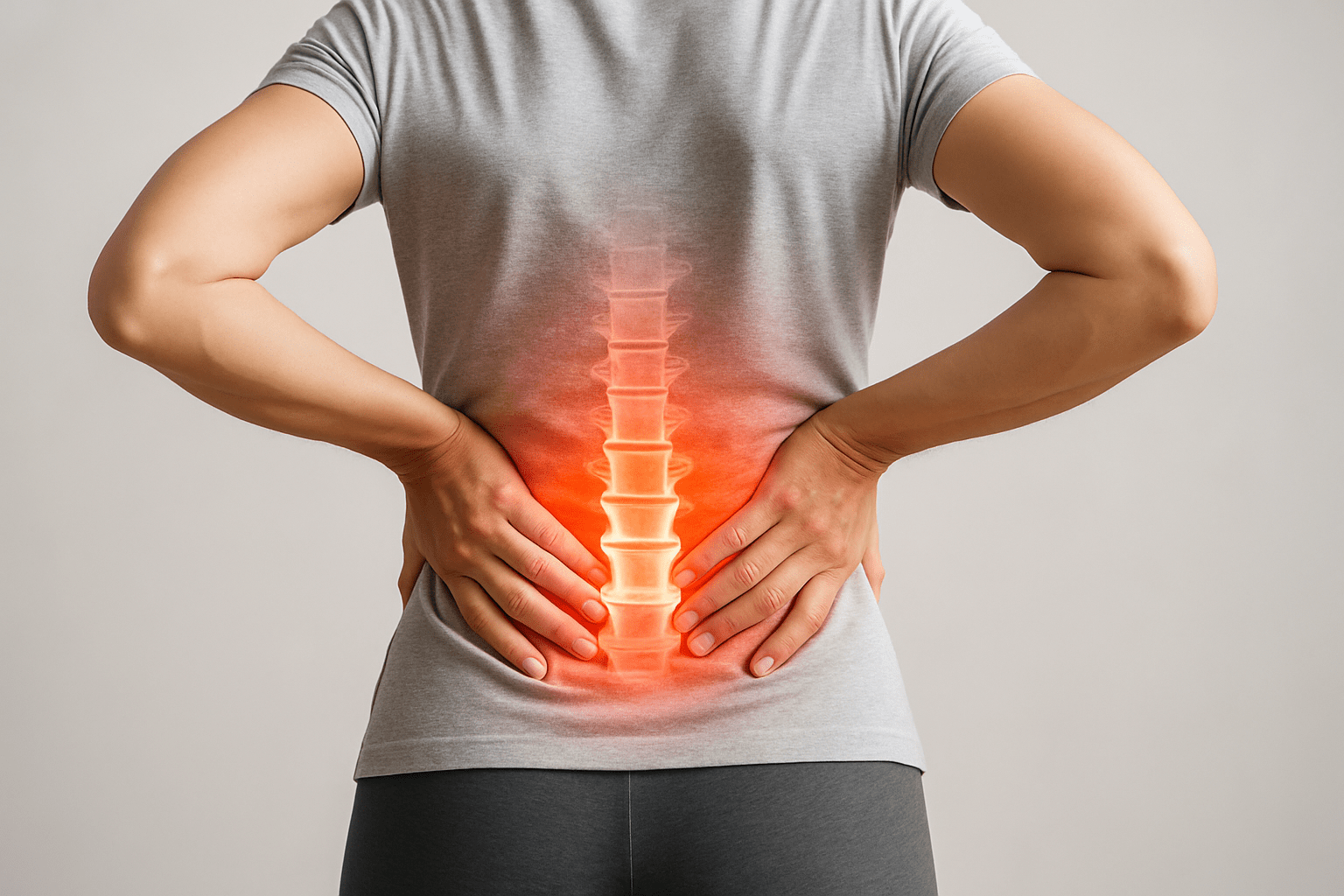
Lumbago is a sudden, stabbing pain in the lower back. Medically it is called lumbago, an irritation of the muscles or nerves in the lumbar region. Lumbago often occurs due to incorrect strain, jerky movements or sitting for long periods in poor posture.
Because the back muscles and surrounding nerves are severely irritated, lumbago occurs. Those affected often feel a severe limitation in mobility, accompanied by an unpleasant feeling of hardness in the back.
Symptoms: Recognize lumbago
Typical lumbago symptoms are usually sudden, stabbing pain in the lower back (often described as a “knife-like” feeling in the back). Those affected often feel a massive restriction in movement, accompanied by a protective posture that is adopted involuntarily. In some cases the pain radiates to the hip or thigh. In addition, muscle tension, tenderness and a general feeling of stiffness can occur with lumbago. In addition, lumbago is also manifested by pain that sometimes radiates to the hip or thigh.
But how is lumbago different from other back pain? While conventional back pain is often dull and long-lasting, lumbago is characterized by its sudden and extremely intense pain. A lumbago feels abrupt and sharp. Recognizing these differences can be helpful in initiating the right treatment.
Cause of lumbago: How does the pain arise?
The causes of lumbago are varied, but most of the time it is caused by overuse or poor posture. Common triggers include sitting for long periods of time, heavy lifting, or abrupt movements that put strain on the lower back. Stress can also play a role, as it promotes muscle tension. Lack of exercise, weak back muscles or poor workplace ergonomics also contribute to increasing the likelihood of lumbago.
Fortunately, there are things you can do to prevent lumbago. Ergonomic furniture, regular exercise and targeted relaxation exercises can help relieve your back and keep it strong. But how long does it actually take for lumbago to disappear?
How long does lumbago last?
The duration of lumbago depends on the severity of the symptoms and the individual condition. In most cases, the acute pain subsides within a few days to a maximum of a week. How quickly countermeasures are taken plays a crucial role. The regeneration time can often be shortened through targeted protection, moderate exercise and supportive treatments.
However, in untreated or particularly severe cases, it can take several weeks for the symptoms to completely disappear. If the pain persists for a long period of time, there could be an underlying cause such as a herniated disc. In such cases it is advisable to seek medical advice. But what can you do to relieve acute pain immediately?
Between protective posture and warmth - what to do if you have lumbago?

If your back suddenly goes on strike, quick action is required. Heat is often a helpful first answer: a hot water bottle, a heating pad or a warm bath can loosen tense muscles and relieve pain. Adopting a relaxing posture - for example lying on your back with your legs bent - can also help in the short term. If possible, you should prefer gentle movements, such as a short walk, to keep the muscles supple.
Lumbago - what to do? Tips for quick relief
With targeted measures you can relieve the acute pain and support the healing process. Here are the best instant tips:
-
Warmth: A hot water bottle or heating pad relaxes tense muscles.
-
protective posture: Lie flat on your back, bend your legs and relax.
-
Gentle movement: Short walks instead of strict bed rest keep the muscles supple.
-
Cold (for swelling): Cold packs reduce acute inflammation.
Reading tip: You can find out more about treating acute pain caused by cold in our article „Cryotherapy: Can cold help against back pain?“.
Lumbago treatment: When should you see a doctor?
Lumbago is usually harmless, but there are situations in which medical attention is necessary. If the pain is unbearable or lasts longer than a week, it is advisable to see a doctor. Likewise, if additional symptoms such as numbness, tingling or muscle weakness occur - these could be signs of a herniated disc.
Reading tip: You can find out more about the symptoms of a herniated disc in our article: „Herniated disc: symptoms, causes and preventive measures“.
If symptoms such as fever or problems urinating occur, it could be a serious illness. In these cases, you should not hesitate and seek medical advice immediately. But what should you avoid as much as possible so as not to make the symptoms of lumbago worse?
Things to avoid if you have lumbago
Even if it seems tempting to take intensive periods of rest, you shouldn't take it easy if you have lumbago. Too little exercise can further weaken the back muscles and delay the healing process. Of course, it is also important to avoid jerky movements and heavy lifting, as this can worsen back pain.
Stretching exercises should be enjoyed with caution in the acute lumbago phase. They can also put additional strain on already irritated muscles. Instead, you should focus on gentle measures such as heat treatments or light walks.
Lumbago massage: How can massages help?
Massages promote blood circulation, loosen tense muscles and can also provide relief in the event of lumbago. The gentle movements and targeted pressure on the affected areas can help relieve tension and relax the muscles in the event of lumbago. Massages can support the regeneration process in the event of lumbago, especially after physical exertion, when muscle tension or even muscle soreness occurs.
Reading tip: How Massages for sore muscles You can find out how we can support you in our article.
It is important that the massage for lumbago should never be painful. Instead, it should have a gentle and soothing effect so as not to further irritate the already sensitive muscles. Combined with heat or special massage oils, the relaxing effect can be enhanced even further.
These massage techniques are suitable for lumbago
Gentle massages like this classic Swedish massage or lymphatic drainage are ideal for relieving tension and promoting regeneration. Techniques such as stroking and gentle kneading can also be used specifically to loosen the back muscles.
Here, too, we would like to point out that a massage should not cause any additional pain if you have lumbago. Strong pressure or jerky movements should be avoided at all costs as they can worsen the pain. In addition, using a massage chair can be an excellent way to relieve acute symptoms, including lumbago - how does it work exactly?
Massage chair for lumbago: relief from acute symptoms
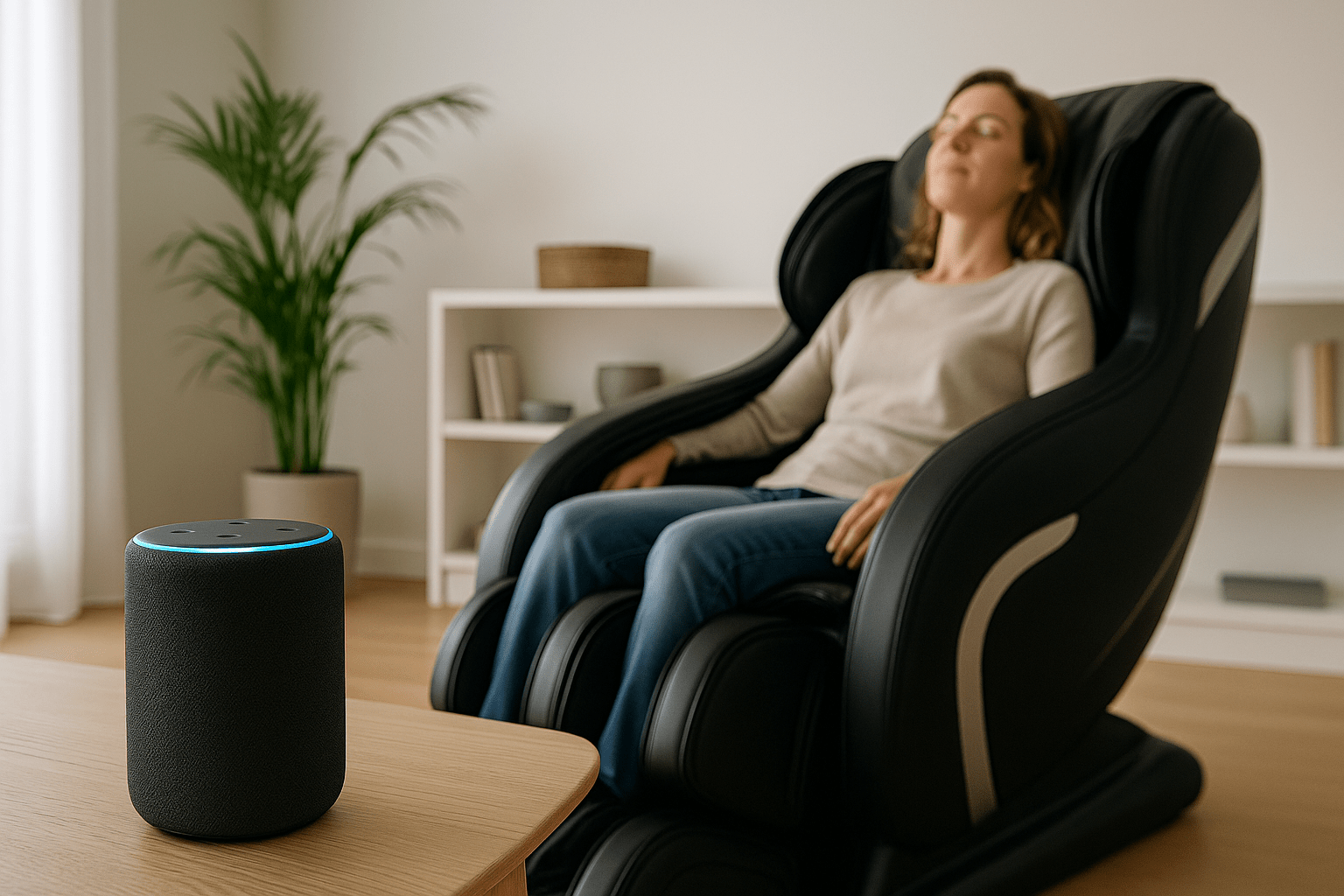
The primary aim of a massage is to specifically relieve tension and promote blood circulation. A massage chair can therefore be a real relief if you have lumbago. The individually adjustable massage programs are particularly helpful in relaxing the muscles in the back without putting additional pressure on the affected areas.
In addition to relieving acute symptoms, regular use of a massage chair also plays an important role in prevention. Back pain can be prevented by specifically strengthening the back muscles. Find out in our article „Are massage chairs medically useful?”how massage chairs can contribute to a healthy lifestyle in many ways and in the long term.
Preventing lumbago: tips for everyday life

Easily said but often neglected: the best treatment for lumbago is still its prevention. The good news: A combination of ergonomic measures, regular exercise and targeted relaxation exercises can help to significantly reduce the risk of lumbago. So you have some of it in your own hands.
It often starts with an ergonomic workstation: Make sure that your desk and chair are optimally adjusted to your height. Taking regular breaks to stretch and move prevents tension from arising from sitting for long periods of time. This also applies to people at home or who travel a lot in the car. Take breaks during which you do short exercises for your back and mobility - it doesn't take much.
Sports such as swimming or yoga can also help to strengthen the back muscles in the long term and improve mobility. Exercises to strengthen the lower back and abdominal muscles in particular have a stabilizing effect and protect the spine.
Massage chair as a routine to strengthen your back muscles
The massage chair is extremely helpful not only for acute complaints, but also as a valuable preventative measure. Regular use can help relieve tension early and strengthen the back muscles. Programs with gentle kneading movements or targeted stroking massages promote blood circulation and support the muscles by loosening and relaxing them.
Functions such as Shiatsu techniques or a combination of massage and heat also provide a relaxing effect and can help reduce stress - one of the most common triggers for back pain. Functions such as heat treatments using infrared radiation are also worth their weight in gold. With a massage chair you can do something good for yourself on a regular basis and actively help prevent lumbago.
No more lumbago
Even if it may feel like it at first, you are not defenseless against the evil witch's magic if you have lumbago. With the right measures against lumbago - from gentle movements about Warmth to targeted Massages – you can relieve the pain and help your back recover.
Even better: with regular exercise, an ergonomic workplace and the support of modern aids such as one Massage chair you can permanently banish the “witch’s curse” and prevent another lumbago.
Remember: Your body is not a rigid mechanism, but a delicate system that deserves care and attention. With the combination of conscious movement, relaxation and the support of modern aids such as a massage chair, you can actively counteract back pain. Your back will thank you – today, tomorrow and every day.
Cover image: Mollyroselee, additional images: Gundula Vogel, Clay Banks
Mitgründer und Geschäftsführer der Massagesessel Welt. Mit seinem Expertenwissen und seiner Branchenkenntnis hilft er, Privatpersonen und Unternehmen zu passenden Massagesessels für Entspannung, Gesundheit und Vitalität zu finden. Die individuelle Fachberatung erfolgt sowohl telefonisch oder per Videochat, als auch in der Ausstellung vor den Toren Stuttgarts.